
Women's Health
Your Questions Answered
When it comes to health and fitness, there are many questions and concerns which restrain people from taking that first step, particularly when it comes to women’s health. That is why I wanted to take this opportunity to answer some of the most popular questions I’ve heard from past clients. If you’re ready to start your personal fitness journey, be sure to get in touch and book a free consultation.
Why is it more difficult for women to lose body fat than men?
Biological differences in hormones and body composition play a significant role. Women naturally have higher levels of oestrogen, which encourages fat storage, especially in areas like the hips and thighs. This is an evolutionary adaptation to support fertility and pregnancy. Additionally, women typically have less muscle mass than men, which means their resting metabolic rate (the calories burned at rest) is generally lower. Women also tend to be lighter in weight, and shorter, meaning overall weight is lower, the lower our weight, the fewer calories we need. As a result, women may need to create a larger calorie deficit to achieve the same fat loss as men.
How does my period affect cravings and weight loss?
Hormonal fluctuations during the menstrual cycle can have a significant impact on appetite, cravings, and water retention:
Follicular phase (days 1–14): Oestrogen levels rise, often leading to better energy and mood, which can make sticking to a nutrition plan easier.
Luteal phase (days 15–28): Progesterone increases, often triggering cravings for high-calorie, comfort foods. This phase is also when bloating and temporary weight gain due to water retention are common. So YES, weight will come up!
Understanding your cycle can help you anticipate these changes and adjust your approach. For example, focusing on nutrient-dense foods and hydrating well during the luteal phase can help manage cravings and bloating.
Will I get really muscular lifting heavy weights as a woman?
No, women do not typically develop large, bulky muscles from lifting heavy weights due to lower testosterone levels compared to men. Instead, heavy lifting helps women build lean muscle, which improves strength, shapes the body, and boosts metabolism. Gaining visible muscle tone requires years of consistent training and often a calorie surplus, so lifting weights is more likely to result in a toned and defined physique rather than excessive bulk. (Unless youre taking anabolic steroids)
What’s the best way to lose fat?
The key to fat loss is creating a sustainable calorie deficit—burning more calories than you consume. This can be achieved through a combination of:
Balanced nutrition: Focus on whole, nutrient-dense foods while managing portion sizes.
Regular exercise: Incorporate both strength training (to preserve muscle) and cardio (to increase calorie burn).
Lifestyle habits: Prioritise sleep, manage stress, and stay hydrated.
Consistency and patience are crucial, as rapid weight loss often leads to muscle loss or rebound weight gain.
How can I stay motivated to exercise?
Motivation is often fleeting, so focusing on building habits and finding enjoyment in the process is essential.
I spend time with my clients making sure they have a real reason why, we dive into why losing weight, being toned and fit will impact their life! More emotional attachment and drive to your goal will make it far easier to keep working on !
Here are some tips:
- Set realistic, specific goals and track your progress.
- Find activities you genuinely enjoy, whether it’s strength training, yoga, or dancing, as well as gym based exercise.
- Celebrate small wins, like completing a new workout or increasing weights.
- Remind yourself of the non-scale benefits, such as improved energy, mood, and overall health.
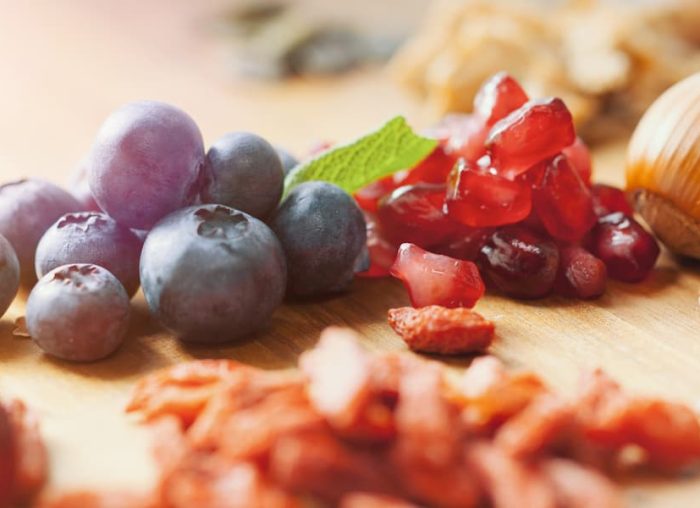
What foods should I eat to lose weight?
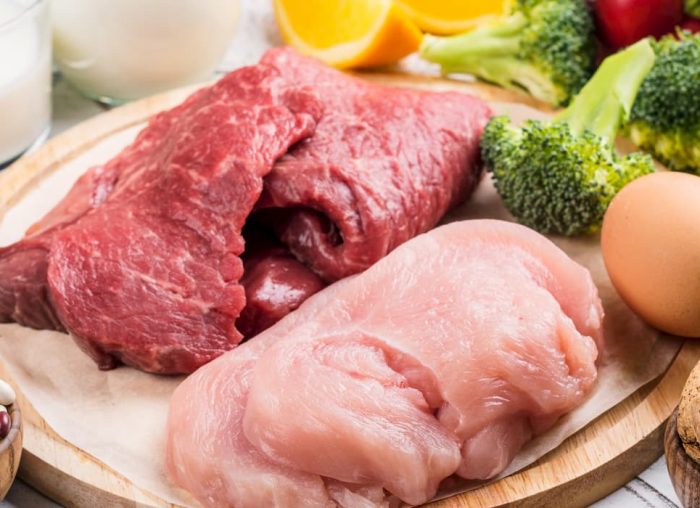
Focus on nutrient-dense, high protein foods that keep you satisfied. Weight loss comes ONLY from a calorie deficit, less energy in than is being burned… That doesn’t always mean less food. Examples include:
- Lean proteins: Chicken, lean white meat and fish, tofu, and eggs to maintain muscle and reduce hunger.
- High-fiber carbs: Vegetables, fruits, oats, quinoa, and legumes for sustained energy.
- Healthy fats: Avocado, nuts, seeds, and olive oil to promote satiety.
- Hydrating foods: Water-rich options like cucumbers and watermelon can help curb hunger.
Minimising processed foods and random picky bits through the day can also make a significant difference.
What are macros?
“Macros” is short for macronutrients: protein, carbohydrates, and fats. These are the primary sources of calories in your diet and play unique roles:
- Protein: Builds and repairs muscle, supports metabolism, and keeps you full.
- Carbohydrates: Our primary energy source! Provide energy for your body and brain.
- Fats: Essential for hormone production, brain health, and absorption of fat-soluble vitamins.
Balancing your macros based on your goals can optimize fat loss, muscle gain, or overall health.
While both cardio and weight training are important, strength training is more effective for building a toned look. Cardio is great for heart health and aerobic capacity, but weight training builds lean muscle, which increases your resting metabolic rate. A combination of the two is ideal for fat loss and muscle definition. Aim for at least 2–3 days of strength training and include cardio activities that you enjoy for heart health and calorie burn.
Your pre-workout meal should provide energy without causing discomfort. ALL THE CARBOHYDRATES which should be quick releasing energy if eating around or under an hour before . A balanced snack 1–2 hours before exercise might include:
- A small banana with peanut butter / rice cake (quick releasing energy).
- Greek yogurt with berries and a small handful of oats (oats are slow releasing).
- Rice cakes with a slice of turkey or avocado.
For strength training, prioritise carbs for quick energy and some protein to support muscle repair. Stay hydrated before, during, and after your workout.
I always add a Dioralyte or hydration tablet into my water at the beginning of the day!
As women age, hormonal changes and lifestyle factors contribute to slower metabolism (only slightly though) and increased fat storage:
- After 30: Muscle mass naturally declines, leading to a lower resting metabolic rate. Maintaining strength and muscle with weight training helps combat this.
- Menopause: Decreases in oestrogen levels can lead to fat distribution around the abdomen and increased insulin resistance.
Prioritising strength training, managing stress, and focusing on nutrient-dense foods are key strategies for weight management during these life stages.
The more muscle, the better!
Get In Touch Today To Begin Your Fitness Journey
If you would like to learn more about how you can improve your personal health and lifestyle, give me a call to arrange a free consultation.